Total Knee Replacement Surgery by Expert Orthopedic Surgeon
Total Knee Replacement (TKR) is a highly effective surgical procedure designed to relieve chronic knee pain and restore mobility in patients suffering from severe knee damage. Performed by an experienced orthopedic surgeon, this procedure replaces the damaged knee joint with an artificial implant, helping patients return to an active and pain-free life.
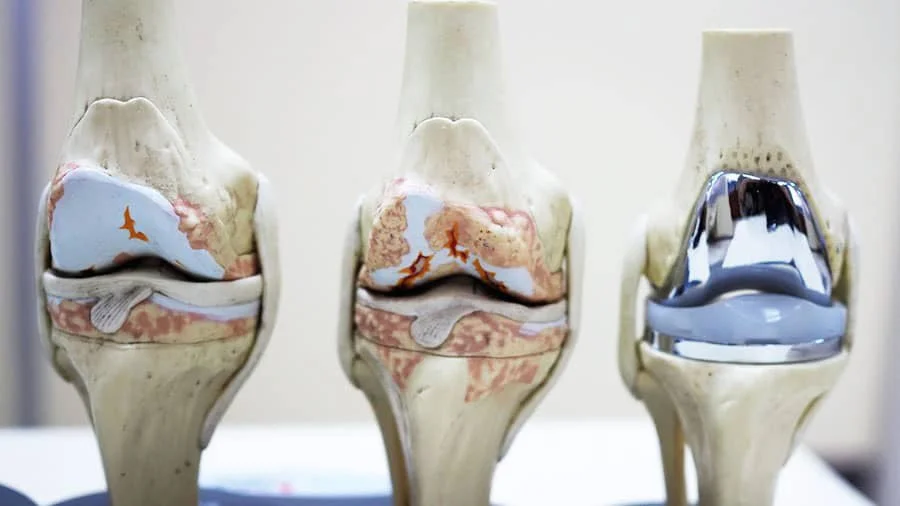
Total Knee Replacement, also known as knee arthroplasty, is a surgical procedure in which the damaged cartilage and bone of the knee joint are removed and replaced with prosthetic components made of metal, plastic, or ceramic.
Who Needs Knee Replacement Surgery?
You may require Total Knee Replacement if you experience:
- Severe knee pain that limits daily activities
- Chronic inflammation and swelling
- Difficulty in walking, climbing stairs, or standing
- Knee stiffness or deformity
- No relief from medications or physiotherapy
Common Causes Leading to Knee Replacement
- Osteoarthritis (most common)
- Rheumatoid arthritis
- Post-traumatic arthritis (after injury)
- Severe knee injury or fractures
- Degenerative joint disease
Symptoms Indicating Need for Surgery
- Persistent knee pain even at rest
- Swelling and stiffness
- Reduced range of motion
- Grinding or clicking sensation
- Difficulty performing routine activities
Diagnosis by Orthopedic Surgeon
An orthopedic surgeon evaluates your condition using:
- Physical examination
- X-rays
- MRI scans
- Blood tests (if required)
Types of Knee Replacement Surgery
- Total Knee Replacement (TKR)
- Partial Knee Replacement
- Revision Knee Replacement
- Bilateral Knee Replacement
Procedure of Total Knee Replacement
- Removal of damaged cartilage and bone
- Reshaping of the knee joint surfaces
- Placement of artificial implants
- Ensuring proper alignment and movement
The surgery typically takes 1–2 hours.
Benefits of Total Knee Replacement
- Significant pain relief
- Improved mobility and flexibility
- Better quality of life
- Long-lasting results
- Ability to resume normal activities
Risks and Complications
Although TKR is generally safe, some risks include:
- Infection
- Blood clots
- Implant wear or loosening
- Nerve or blood vessel injury
Recovery and Rehabilitation
- Hospital stay: 3–5 days
- Walking with support: within 1–2 days
- Physiotherapy: essential for recovery
- Full recovery: 6–12 weeks (varies by patient)
Role of Orthopedic Surgeon
An orthopedic surgeon ensures:
- Accurate diagnosis and treatment planning
- Safe and precise surgical procedure
- Post-surgery care and rehabilitation guidance
- Long-term joint health
Tips for Faster Recovery
- Follow physiotherapy regularly
- Maintain a healthy weight
- Avoid high-impact activities
- Take prescribed medications
- Attend follow-up appointments