Cartilage Procedures
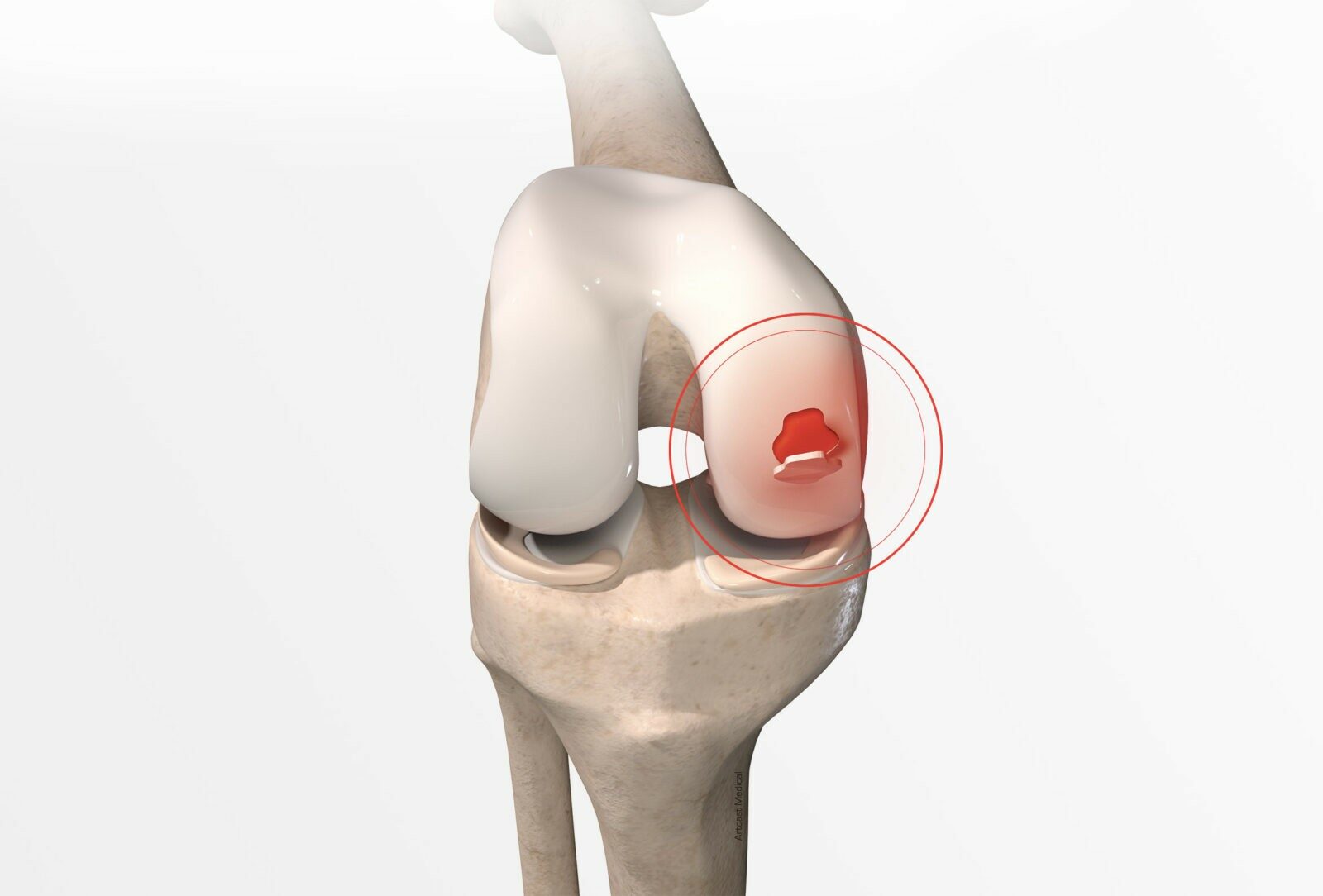
Cartilage Procedures are specialized orthopedic treatments designed to repair, regenerate, or restore damaged joint cartilage. Healthy cartilage plays a vital role in allowing smooth, pain-free movement by cushioning the bones within a joint. When cartilage becomes damaged due to injury, sports trauma, or early arthritis, it can lead to pain, swelling, stiffness, and reduced mobility.
Modern cartilage restoration techniques aim to preserve the natural joint, relieve symptoms, and delay or prevent the progression of arthritis. These procedures are particularly beneficial for active individuals and younger patients who wish to maintain their natural joint function.
What Are Cartilage Procedures?
Cartilage procedures are advanced orthopedic treatments used to repair damaged articular cartilage, the smooth tissue that covers the ends of bones within a joint. Because cartilage has a limited ability to heal on its own, untreated cartilage injuries can worsen over time and increase the risk of osteoarthritis. Cartilage restoration procedures help stimulate healing, regenerate cartilage tissue, and restore joint function.
Who Needs Cartilage Repair or Restoration?
Cartilage procedures may be recommended for patients experiencing:
- Persistent joint pain
- Cartilage injuries from sports activities
- Knee swelling and stiffness
- Joint locking or catching
- Limited mobility
- Early cartilage degeneration
- Focal cartilage defects
- Failure of conservative treatments such as medications and physiotherapy
Common Causes of Cartilage Damage
Sports Injuries
Sudden twisting, impact injuries, and repetitive stress can damage joint cartilage.
Trauma and Accidents
Direct injury to the joint may cause cartilage defects.
Joint Instability
Untreated ligament injuries can lead to progressive cartilage wear.
Repetitive Overuse
High-impact activities can gradually damage cartilage over time.
Early Osteoarthritis
Degenerative changes may result in cartilage thinning and breakdown.
Symptoms of Cartilage Damage
- Joint pain during activity
- Swelling and inflammation
- Stiffness
- Reduced range of motion
- Clicking or catching sensations
- Joint instability
- Difficulty participating in sports or exercise
- Pain during walking, climbing stairs, or squatting
Types of Cartilage Procedures
Microfracture Surgery
Microfracture is a minimally invasive arthroscopic procedure that creates small holes in the underlying bone to stimulate the body's natural healing response and encourage the formation of new cartilage-like tissue.
Benefits:
- Minimally invasive
- Effective for small cartilage defects
- Faster recovery compared to major reconstruction procedures
Osteochondral Autograft Transfer (OATS)
This procedure involves transferring healthy cartilage and bone from a non-weight-bearing area of the joint to the damaged region.
Benefits:
- Uses the patient's own cartilage
- Provides durable cartilage restoration
- Suitable for focal cartilage defects
Osteochondral Allograft Transplantation
In larger cartilage defects, healthy cartilage and bone tissue from a donor may be transplanted into the damaged area.
Benefits:
- Effective for large defects
- Restores natural cartilage surface
- Preserves joint function
Autologous Chondrocyte Implantation (ACI)
ACI is an advanced cartilage restoration procedure that uses the patient's own cartilage cells. These cells are harvested, cultured in a laboratory, and later implanted into the damaged area.
Benefits:
- Promotes cartilage regeneration
- Suitable for larger cartilage injuries
- Preserves the natural joint
Arthroscopic Cartilage Debridement
This minimally invasive procedure smooths damaged cartilage surfaces and removes loose fragments causing pain and mechanical symptoms.
Benefits:
- Relieves pain and irritation
- Improves joint movement
- Quick recovery
Benefits of Cartilage Procedures
- Joint Preservation
- Pain Relief
- Improved Mobility
- Enhanced Sports Performance
- Reduced Risk of Arthritis Progression
- Minimally Invasive Options
The Cartilage Repair Procedure
Preoperative Evaluation
Before treatment, patients undergo a detailed assessment that may include medical history review, physical examination, X-rays, MRI scans, cartilage mapping studies, and blood investigations if necessary.
Surgical Treatment
The specific procedure depends on the size of the cartilage defect, location of the injury, patient age, activity level, and overall joint health. Most cartilage procedures are performed arthroscopically using advanced minimally invasive techniques.
Recovery After Cartilage Procedures
Immediate Recovery
- Most patients can return home the same day.
- Pain and swelling are managed with medications and ice therapy.
- Weight-bearing restrictions may be necessary depending on the procedure.
Rehabilitation Phase
Physiotherapy plays a critical role in recovery. Gradual strengthening and mobility exercises are introduced and activity levels are increased according to healing progress.
Return to Activities
- Light activities: 4–8 weeks
- Moderate exercise: 3–6 months
- Sports participation: 6–12 months in many cases
Risks and Complications
Although cartilage restoration procedures are generally safe, potential risks include infection, swelling, joint stiffness, incomplete healing, persistent pain, blood clots, graft failure, and the need for additional treatment.
Why Choose Cartilage Restoration?
Cartilage restoration procedures offer several important advantages: preserve the natural joint, delay or avoid joint replacement surgery, restore function and mobility, reduce pain and stiffness, support active lifestyles, and improve long-term joint health. Early treatment of cartilage injuries often leads to better outcomes and greater joint preservation.