Chronic Pelvic Pain – Diagnosis & Advanced Treatment
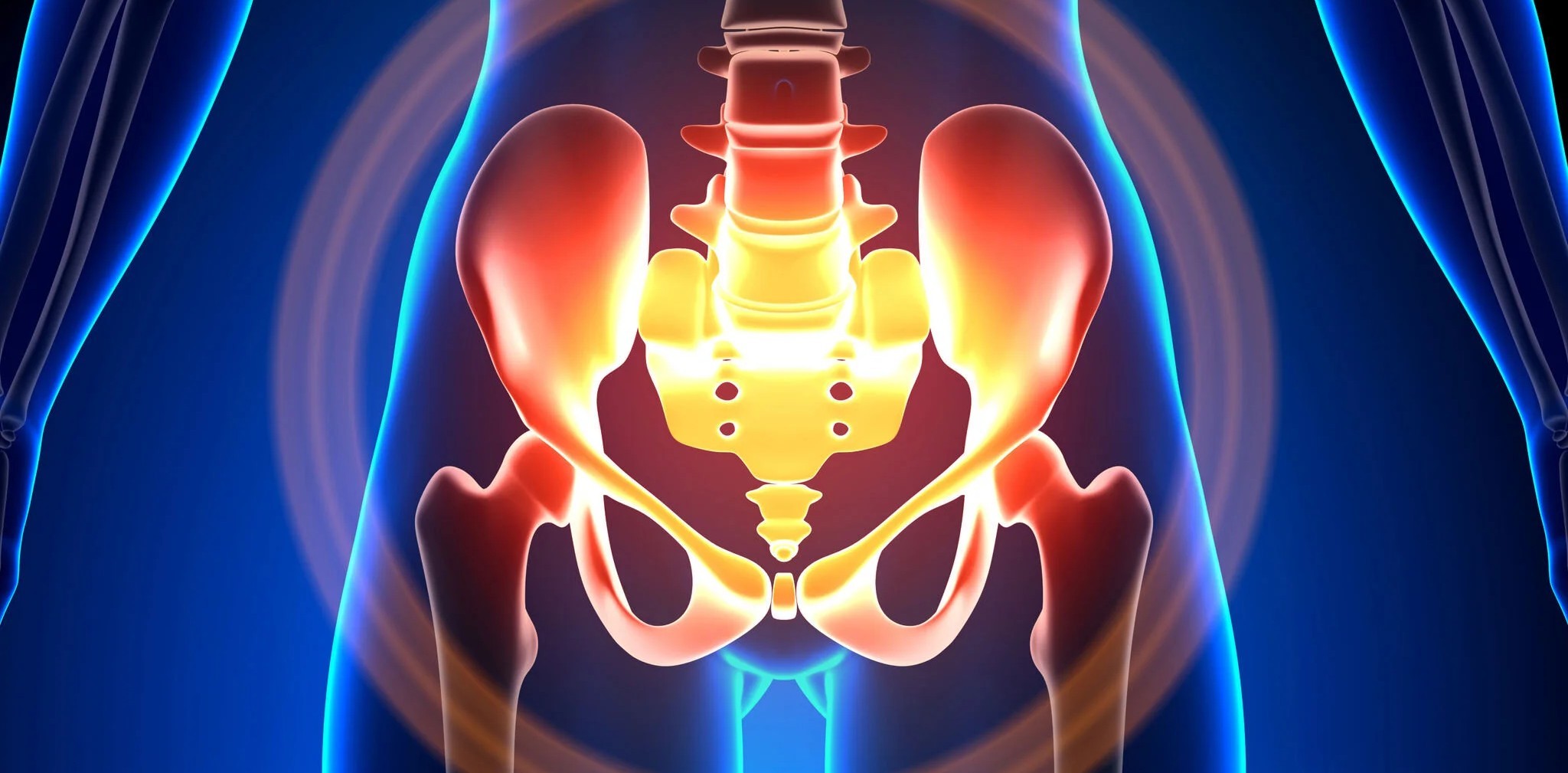
Chronic Pelvic Pain (CPP) is persistent pain in the lower abdomen or pelvic region lasting for more than 6 months. It can significantly affect daily life, emotional well-being, and reproductive health. With the support of experienced Gynaecology Specialists, the underlying cause can be identified and treated effectively.
Chronic pelvic pain is ongoing discomfort in the pelvic area that may be constant or intermittent. It can be mild or severe and may worsen during menstruation, urination, or physical activity.
Common Causes of Chronic Pelvic Pain
- Endometriosis
- Pelvic inflammatory disease (PID)
- Ovarian cysts
- Uterine fibroids
- Pelvic adhesions (scar tissue)
- Irritable bowel syndrome (IBS)
- Urinary tract disorders
Symptoms of Chronic Pelvic Pain
- Persistent lower abdominal pain
- Pain during menstruation or intercourse
- Lower back pain
- Pain during urination or bowel movements
- Bloating or digestive discomfort
How is Chronic Pelvic Pain Diagnosed?
- Detailed medical history and physical examination
- Pelvic ultrasound
- Blood and urine tests
- MRI scan (if required)
- Laparoscopy for precise diagnosis
Treatment Options
1. Medications
- Pain relievers
- Hormonal therapy
- Antibiotics (if infection is present)
2. Laparoscopic Surgery
- Removal of endometriosis, fibroids, or adhesions
- Minimally invasive with faster recovery
3. Lifestyle & Supportive Therapy
- Stress management
- Physiotherapy
- Dietary changes
Benefits of Early Treatment
- Relief from long-term pain
- Improved quality of life
- Better reproductive health
- Prevention of complications
Recovery & Management
- Regular follow-ups with your gynaecologist
- Adherence to prescribed treatment
- Healthy lifestyle practices
- Monitoring for recurrence