Menopausal Problems – Expert Care for a Healthy Transition
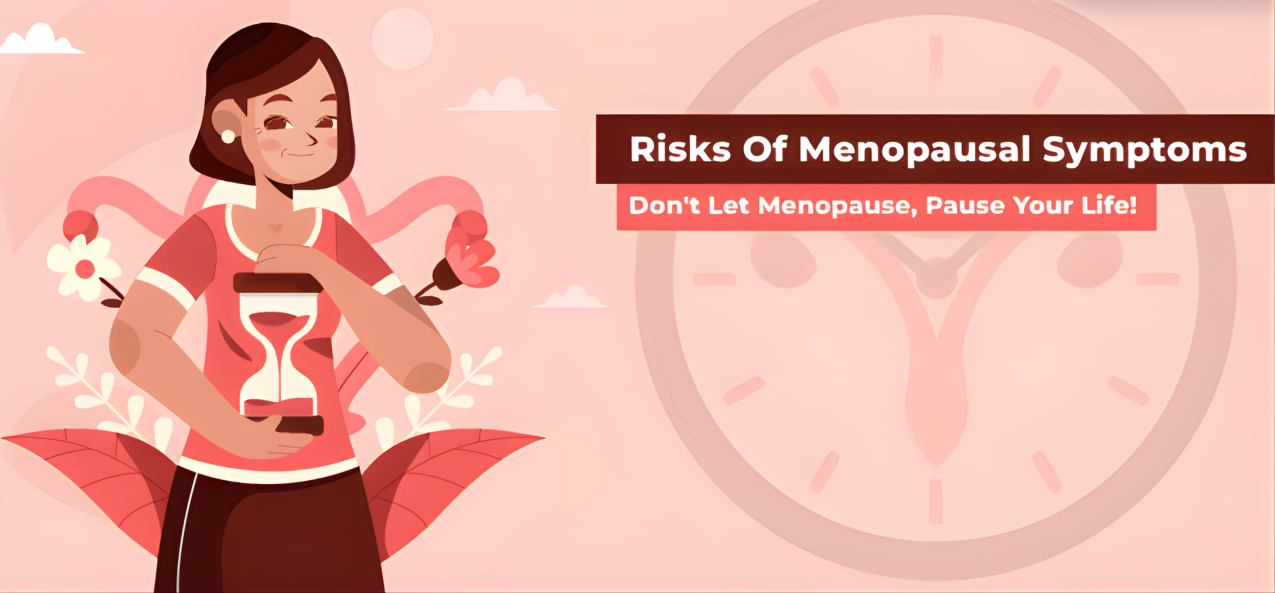
Menopause is a natural phase in a woman's life, marking the end of menstrual cycles. However, many women experience Menopausal Problems due to hormonal changes. With the guidance of experienced Gynaecology Specialists, these symptoms can be effectively managed to ensure a comfortable and healthy transition.
Menopause is diagnosed when a woman has not had a menstrual period for 12 consecutive months, usually occurring between the ages of 45 to 55 years. It is caused by a natural decline in reproductive hormones, especially estrogen.
Common Menopausal Problems
- Hot flashes and night sweats
- Irregular periods before menopause
- Mood swings and anxiety
- Sleep disturbances
- Vaginal dryness
- Decreased libido
- Weight gain
- Bone loss (osteoporosis risk)
Stages of Menopause
1. Perimenopause
- Transition phase before menopause
- Hormonal fluctuations begin
2. Menopause
- Periods stop completely
3. Postmenopause
- Phase after menopause
- Symptoms may continue but gradually reduce
How are Menopausal Problems Diagnosed?
- Medical history and symptom evaluation
- Hormonal blood tests (if required)
- Bone density tests (for osteoporosis risk)
Treatment Options
1. Lifestyle Management
- Healthy diet rich in calcium and vitamins
- Regular exercise
- Stress reduction techniques
2. Hormone Replacement Therapy (HRT)
- Helps balance hormone levels
- Reduces severe symptoms
3. Medications
- For hot flashes, mood changes, and bone health
4. Vaginal & Sexual Health Treatments
- Lubricants and local therapies for dryness
Tips for Managing Menopause
- Stay physically active
- Maintain a balanced diet
- Get adequate sleep
- Avoid smoking and excessive caffeine
- Stay hydrated
Long-Term Health Considerations
- Increased risk of osteoporosis
- Heart health monitoring
- Regular gynecological check-ups
- Mental health support