Knee Arthroscopy
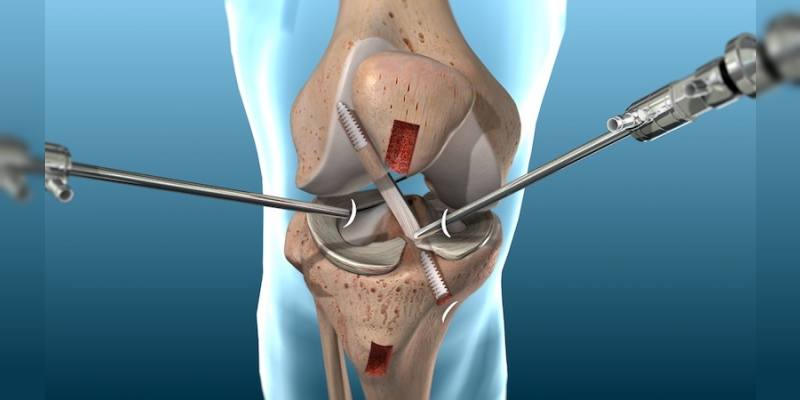
Knee Arthroscopy is a minimally invasive orthopedic procedure used to diagnose and treat a wide range of knee joint conditions. Using a small camera called an arthroscope, orthopedic surgeons can view the inside of the knee joint in real time and perform precise surgical treatments through tiny incisions.
This advanced technique helps reduce pain, improve knee function, and promote faster recovery compared to traditional open surgery. Knee arthroscopy is commonly recommended for sports injuries, cartilage damage, ligament tears, and various knee disorders.
What is Knee Arthroscopy?
Knee Arthroscopy is a surgical procedure that allows an orthopedic surgeon to examine, diagnose, and treat problems within the knee joint using a thin, fiber-optic camera inserted through small incisions.
The arthroscope transmits detailed images to a monitor, enabling the surgeon to identify damaged structures and perform corrective procedures using specialized instruments. Because only small incisions are required, patients typically experience less pain, minimal scarring, and quicker recovery.
Who Needs Knee Arthroscopy?
Knee arthroscopy may be recommended for patients experiencing:
- Persistent knee pain
- Knee swelling and inflammation
- Locking or catching sensations in the knee
- Instability or giving way of the knee
- Sports-related knee injuries
- Limited range of motion
- Knee symptoms that do not improve with conservative treatment
- Suspected internal knee damage identified through imaging studies
Conditions Treated with Knee Arthroscopy
- Meniscus Tears
One of the most common knee injuries, involving damage to the cartilage that cushions the knee joint. - Anterior Cruciate Ligament (ACL) Injuries
ACL tears often occur during sports activities and may require arthroscopic reconstruction. - Posterior Cruciate Ligament (PCL) Injuries
Arthroscopy can assist in the diagnosis and treatment of PCL injuries. - Cartilage Damage
Damaged cartilage can cause pain, swelling, and joint dysfunction. - Loose Bodies in the Knee
Small fragments of bone or cartilage can become trapped within the joint, causing pain and locking. - Synovitis
Inflammation of the joint lining that may require arthroscopic treatment. - Patellar Disorders
Certain kneecap alignment and cartilage problems can be managed arthroscopically.
Benefits of Knee Arthroscopy
- Minimally Invasive Procedure
Small incisions result in less tissue damage and minimal scarring. - Faster Recovery
Patients often return to normal activities sooner than with traditional open surgery. - Reduced Pain
Smaller incisions generally lead to less postoperative discomfort. - Improved Diagnostic Accuracy
Direct visualization of the knee allows precise diagnosis of joint conditions. - Shorter Hospital Stay
Many arthroscopic procedures are performed as day-care surgeries. - Lower Risk of Complications
The minimally invasive approach often reduces the risk of infection and other surgical complications.
The Knee Arthroscopy Procedure
Preoperative Evaluation
Before surgery, patients undergo a thorough assessment, including:
- Medical history review
- Physical examination
- X-rays
- MRI scans if required
- Blood tests
- Anesthesia evaluation
Surgical Procedure
- The patient receives anesthesia.
- Small incisions are made around the knee.
- An arthroscope is inserted into the joint.
- The surgeon examines the internal structures of the knee.
- Specialized instruments are used to repair or remove damaged tissue.
- The knee is thoroughly inspected before completing the procedure.
- The incisions are closed with sutures or adhesive strips.
The procedure typically takes between 30 minutes and 2 hours, depending on the condition being treated.
Recovery After Knee Arthroscopy
Immediate Recovery
- Most patients return home on the same day.
- Mild swelling and discomfort are expected initially.
- Ice therapy and pain medications may be recommended.
Rehabilitation Phase
- Physiotherapy helps restore strength and flexibility.
- Walking may be possible within a few days, depending on the procedure performed.
- Gradual return to daily activities is encouraged.
Long-Term Recovery
Recovery time varies based on the specific treatment performed. Minor procedures may recover within a few weeks, while ligament reconstruction may require several months of rehabilitation.
Risks and Complications
Although knee arthroscopy is generally safe, potential risks include:
- Infection
- Bleeding
- Blood clots
- Joint stiffness
- Swelling
- Nerve or blood vessel injury
- Persistent pain
- Rare need for additional surgery
An experienced orthopedic surgeon takes every precaution to minimize these risks and ensure optimal results.
Why Choose Knee Arthroscopy?
Knee arthroscopy has become a preferred treatment option because it offers:
- Accurate diagnosis and treatment
- Minimally invasive surgical approach
- Faster recovery compared to open surgery
- Reduced postoperative pain
- Improved knee function
- Earlier return to work and sports activities
- Excellent clinical outcomes