When Is Knee Replacement Surgery Necessary?
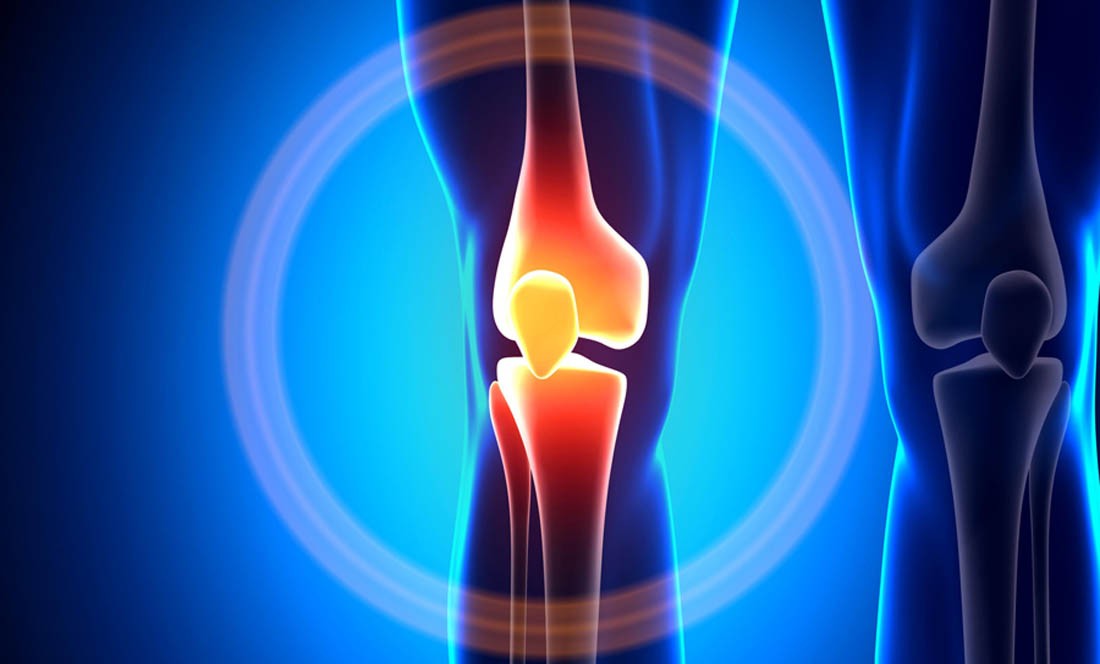
Knee pain can become more than just an occasional discomfort—it can turn into a life-limiting condition. While many knee problems can be treated with medications, physiotherapy, or lifestyle changes, there are cases where these methods are no longer effective. In such situations, knee replacement surgery (also known as knee arthroplasty) may be the best option to restore mobility and improve quality of life.
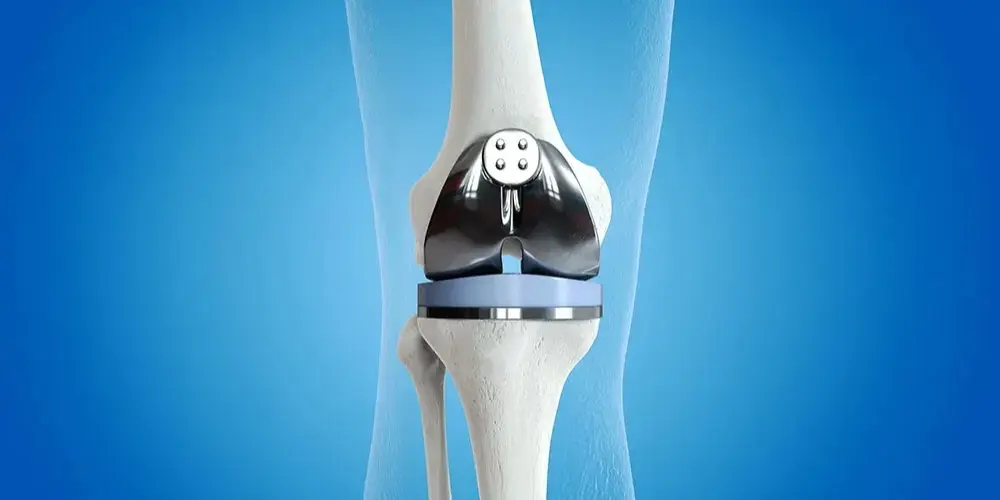
Knee replacement surgery involves removing damaged cartilage and bone from the knee joint and replacing them with artificial implants made of metal, plastic, or ceramic. The goal is to relieve pain, correct deformity, and restore normal function.
Common Conditions That May Require Knee Replacement
Knee replacement is usually recommended for severe joint damage caused by:
- Osteoarthritis (most common cause)
- Rheumatoid arthritis
- Post-traumatic arthritis (after injury)
- Severe knee deformity
- Avascular necrosis (bone tissue death due to lack of blood supply)
Signs You May Need Knee Replacement Surgery
Here are key indicators that surgery might be necessary:
- Persistent, Severe Knee Pain
If you experience constant knee pain—even at rest or during sleep—it may indicate advanced joint damage. - Limited Mobility
Difficulty walking, climbing stairs, or getting up from a chair suggests that the knee joint is no longer functioning properly. - Pain That Doesn't Respond to Treatment
When medications, physiotherapy, injections, and lifestyle changes fail to provide relief, surgery becomes a strong consideration. - Chronic Swelling and Inflammation
Ongoing swelling that doesn't improve with rest or medication can signal serious joint issues. - Knee Deformity
Visible bowing or deformity in the knee (either inward or outward) may require surgical correction. - Reduced Quality of Life
If knee pain prevents you from performing daily activities or affects your mental well-being, it's time to consider advanced treatment.
Who Is a Good Candidate for Knee Replacement?
You may be a suitable candidate if:
- You have severe knee pain and stiffness
- Your daily activities are significantly limited
- Non-surgical treatments have failed
- You are generally healthy enough for surgery
- You have realistic expectations about recovery
Knee replacement is commonly performed in older adults, but younger patients with severe joint damage may also benefit.
Types of Knee Replacement Surgery
- Total Knee Replacement (TKR): Entire knee joint is replaced
- Partial Knee Replacement (PKR): Only the damaged portion is replaced
- Revision Knee Replacement: Replacement of a previously implanted prosthesis
Benefits of Knee Replacement Surgery
- Significant pain relief
- Improved mobility and flexibility
- Better quality of life
- Ability to return to daily activities
- Long-lasting results (often 15–20 years or more)
Risks and Considerations
Like any surgery, knee replacement carries some risks:
- Infection
- Blood clots
- Implant wear or loosening over time
- Stiffness or limited movement
However, with modern techniques and proper care, complications are relatively rare.
Recovery After Knee Replacement
Recovery typically involves:
- Hospital stay of a few days
- Physical therapy for several weeks
- Gradual return to normal activities
- Full recovery within 3 to 6 months
Following your surgeon's advice is crucial for a successful outcome.