PCOS: Symptoms, Causes & Treatment Options
Polycystic Ovary Syndrome (PCOS) is a common hormonal disorder that affects women of reproductive age. It can impact menstrual cycles, fertility, metabolism, and overall health. Early diagnosis and proper management can help control symptoms and prevent long-term complications.
Polycystic Ovary Syndrome (PCOS) is a condition in which the ovaries produce higher-than-normal levels of male hormones (androgens). This hormonal imbalance can interfere with the normal development and release of eggs during ovulation.
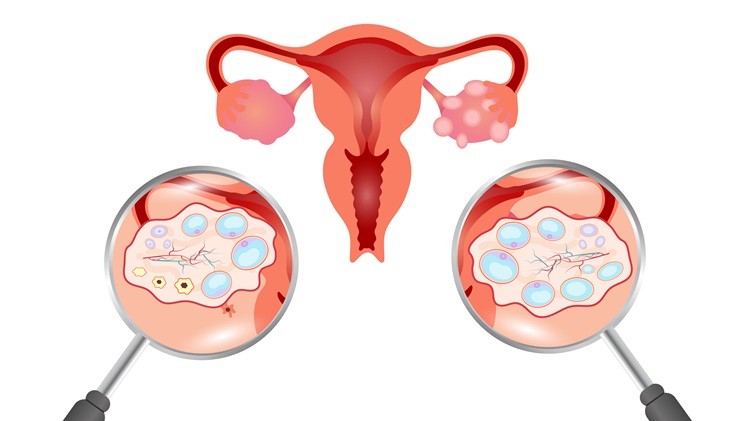
Despite the name, not all women with PCOS develop cysts in their ovaries.
Common Symptoms of PCOS
Symptoms can vary from person to person, but the most common signs include:
- Irregular Periods
Infrequent, prolonged, or missed menstrual cycles are one of the earliest signs. - Excess Androgen Levels
High levels of male hormones may cause excess facial or body hair (hirsutism), acne or oily skin, and thinning hair or hair loss on the scalp. - Polycystic Ovaries
Enlarged ovaries with multiple small follicles visible on ultrasound. - Weight Gain
Many women with PCOS experience weight gain or difficulty losing weight. - Fertility Issues
Irregular ovulation can make it harder to conceive. - Skin Changes
Dark patches of skin (acanthosis nigricans), especially around the neck or underarms.
What Causes PCOS?
The exact cause of PCOS is not fully understood, but several factors play a role:
- Hormonal Imbalance: Excess androgen production disrupts ovulation.
- Insulin Resistance: Many women with PCOS have insulin resistance, which increases insulin levels and triggers more androgen production.
- Genetics: PCOS often runs in families, suggesting a hereditary component.
- Inflammation: Low-grade inflammation may stimulate the ovaries to produce excess androgens.
Potential Complications of PCOS
If left untreated, PCOS can lead to serious health issues such as:
- Type 2 diabetes
- High blood pressure
- Heart disease
- Infertility
- Sleep apnea
- Endometrial cancer
Diagnosis of PCOS
Doctors usually diagnose PCOS based on a combination of:
- Medical history and symptoms
- Physical examination
- Blood tests (to check hormone levels)
- Ultrasound imaging of ovaries
A diagnosis is often made if at least two of the following are present: irregular ovulation, high androgen levels, or polycystic ovaries.
Treatment Options for PCOS
While there is no permanent cure, PCOS can be effectively managed with the right treatment plan.
- Lifestyle Modifications: Healthy diet and regular exercise, weight management, and stress reduction. Even a small amount of weight loss can significantly improve symptoms.
- Medications: Metformin helps improve insulin resistance, birth control pills regulate menstrual cycles and reduce androgen levels, anti-androgen medications reduce excessive hair growth and acne, and fertility medications help stimulate ovulation.
- Fertility Treatments: Ovulation induction therapy and assisted reproductive techniques such as IVF for women trying to conceive.
- Cosmetic Treatments: Laser hair removal, acne treatments, and skincare therapies.
Can PCOS Be Prevented?
PCOS cannot always be prevented, but you can reduce its impact by maintaining a healthy weight, eating a balanced diet, exercising regularly, and monitoring menstrual health.